Cute Snail Line Art: A Designer's Review for Embroidery
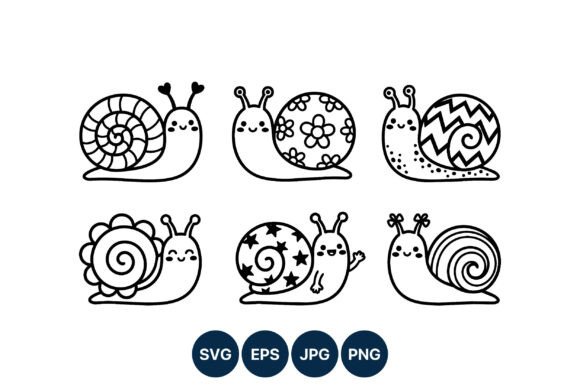
As a designer who spends more time staring at stitch previews than I do sleeping, I am always on the hunt for graphics that translate well from screen to thread. Recently, I came across Cute Snail Line Art, a collection of six black and white snails featuring distinct shell patterns like hearts, flowers, stars, zigzags, and spirals. At first glance, these Illustrations feel charming and whimsical, but my job is to look past the cute factor and determine if this machine embroidery design can hold up in a real-world embroidery project. Whether you are an Etsy seller looking to expand your nursery decor line or a hobbyist making personalized gifts, understanding how these Graphics behave under the needle is crucial before you commit to stitching.
First Impressions and Visual Personality
The immediate appeal of Cute Snail Line Art lies in its simplicity. In the world of digital assets, less is often more, especially when converting to thread. The line art style suggests a reliance on clean running stitch or perhaps a very light fill stitch, which is excellent for maintaining clarity. Each snail has a friendly expression, creating a mood that is welcoming and gentle. This visual personality makes the design naturally suited for baby items, spring-themed decor, or anything requiring a touch of whimsy without being overly childish. The variety in shell patterns—ranging from geometric zigzags to organic flowers—offers enough diversity to create a cohesive set where each element feels unique yet part of a family. For a craft business, this versatility is gold; it allows you to offer customization without needing entirely different design files.
Real-World Application: The Tote Bag Scenario
To truly test the viability of this design, I imagined a specific client request: a set of reusable grocery totes for a local farmer's market boutique. The client wanted something eco-friendly and cute that would appeal to young families. Cute Snail Line Art seemed perfect for this tote bag design. I envisioned placing the snail with the flower shell pattern on natural canvas. Because the design is line-based, it avoids the heavy density that can cause canvas to pucker or distort.
In this scenario, the finished product would rely heavily on thread choice. Using earthy greens and browns against the natural fabric would highlight the "garden" theme, while a pop of red for the heart-shell snail could serve as an accent. The simplicity of the line work ensures that even from a distance, the shapes are recognizable. For an Etsy seller, this kind of clear, readable imagery translates beautifully into printable mockups, helping customers visualize the handmade product before they buy. It strikes that delicate balance between professional branding and approachable craft.
Ideal Surfaces and Fabric Considerations
While the design shines on stable fabrics like cotton twill, linen, or canvas, we must be realistic about where it might struggle. Line art can sometimes get lost on highly textured fabrics. If you are attempting sweatshirt embroidery on a fuzzy fleece, the fine lines of the zigzag or star patterns might sink into the pile, reducing definition. In such cases, you might need to adjust the stitch density or consider using a slightly thicker thread weight to ensure visibility.
Similarly, for baby embroidery on soft knits, stability is key. These garments are stretchy, and a design with long, uninterrupted lines can cause the fabric to tunnel or warp if not properly supported. Using a high-quality cut-away stabilizer is non-negotiable here. The smiling faces of the snails need to remain symmetrical; if the fabric shifts during stitching, those friendly expressions could look distorted, ruining the charm of the custom apparel.
Technical Challenges and Stitching Clarity
One area requiring careful attention is the small details within the shells. The stars and hearts are relatively small elements. When digitizing or reviewing the embroidery file, check the connection points. Are these separate jumps, or are they tied in cleanly? For a commercial run, excessive jumps mean more trimming and lower production efficiency. If you are using this as a base for an applique design, the outline needs to be robust enough to hold the fabric edge securely.
Dark fabrics present another challenge. Since Cute Snail Line Art is described as black and white line art, stitching black thread on a navy or black garment will render the design invisible. You will need to invert the colors or choose high-contrast thread colors. However, be mindful that thick, bright threads on dark fabric can sometimes look cartoonish if the line weight isn't balanced. Testing on scrap fabric of the same color and texture as your final product is the only way to confirm the contrast works for your specific brand aesthetic.
Commercial Viability and Brand Consistency
For those running a small shop product line, consistency is everything. The six variations in this set allow for a "build your own" approach. A customer could order a set of kitchen towels, each featuring a different snail. This increases the perceived value of the personalized gift. Furthermore, because the style is consistent, it reinforces brand recognition. Whether it's on a pillow cover, a tea towel, or an embroidered patch, the customer immediately knows it belongs to your collection.
However, before listing these as design assets or selling finished goods, you must verify the licensing terms included in the download. Not all digital embroidery file purchases allow for unlimited commercial use. Some may restrict the number of physical items you can sell or prohibit selling the digitized file itself. Always read the fine print to protect your craft business from legal issues down the road.
Final Verdict for Designers
Cute Snail Line Art is a strong contender for spring collections, nursery themes, and nature-inspired merchandise. Its strength lies in its adaptability and clean aesthetic. However, success depends on execution. Do not assume the default settings will work for every material.
Here are my practical notes for anyone proceeding with this design:
- Test First: Always stitch out on a scrap piece of your actual production fabric to check for puckering or sinking stitches.
- Check Hoop Size: Ensure the design fits comfortably within your intended hoop, leaving enough room for clamping without distorting the image.
- Stabilizer Matters: Match your stabilizer to the fabric weight; water-soluble might work for towels, but cut-away is safer for stretchy knits.
- Thread Contrast: Verify that your chosen thread colors pop against the garment, especially for the finer details like the eyes and shell patterns.
- Licensing: Confirm if the license covers mass production or if there are limits on the number of units you can sell.
In conclusion, if you are looking for a versatile, cheerful addition to your library of Illustrations and Graphics that translates well to thread, this snail set is worth the investment. Just remember that the magic happens not in the download, but in the thoughtful preparation and stitching that turns a digital file into a cherished holiday embroidery gift or a best-selling boutique item.